Blue Whale
On assignment with the Royal Ontario Museum
In March 2014, several blue whales drowned in the Gulf of St. Lawrence, two of which washed ashore in Newfoundland, Canada. This death was significant. The blue whale is an endangered species with roughly 20,000 individuals remaining worldwide.
The Royal Ontario Museum (ROM) stepped up to salvage the two whales that washed ashore and turn their tragic death into an opportunity for science and education. After ROM scientists had an opportunity to obtain samples and collect data, the whales were taken apart and shipped to Research Casting International (RCI) in Trenton, Ontario, where the bones would be cleaned and prepared for display at the ROM. In Trenton, the whales were buried in compost and stored in trailers for two years to help degrade all living tissue.
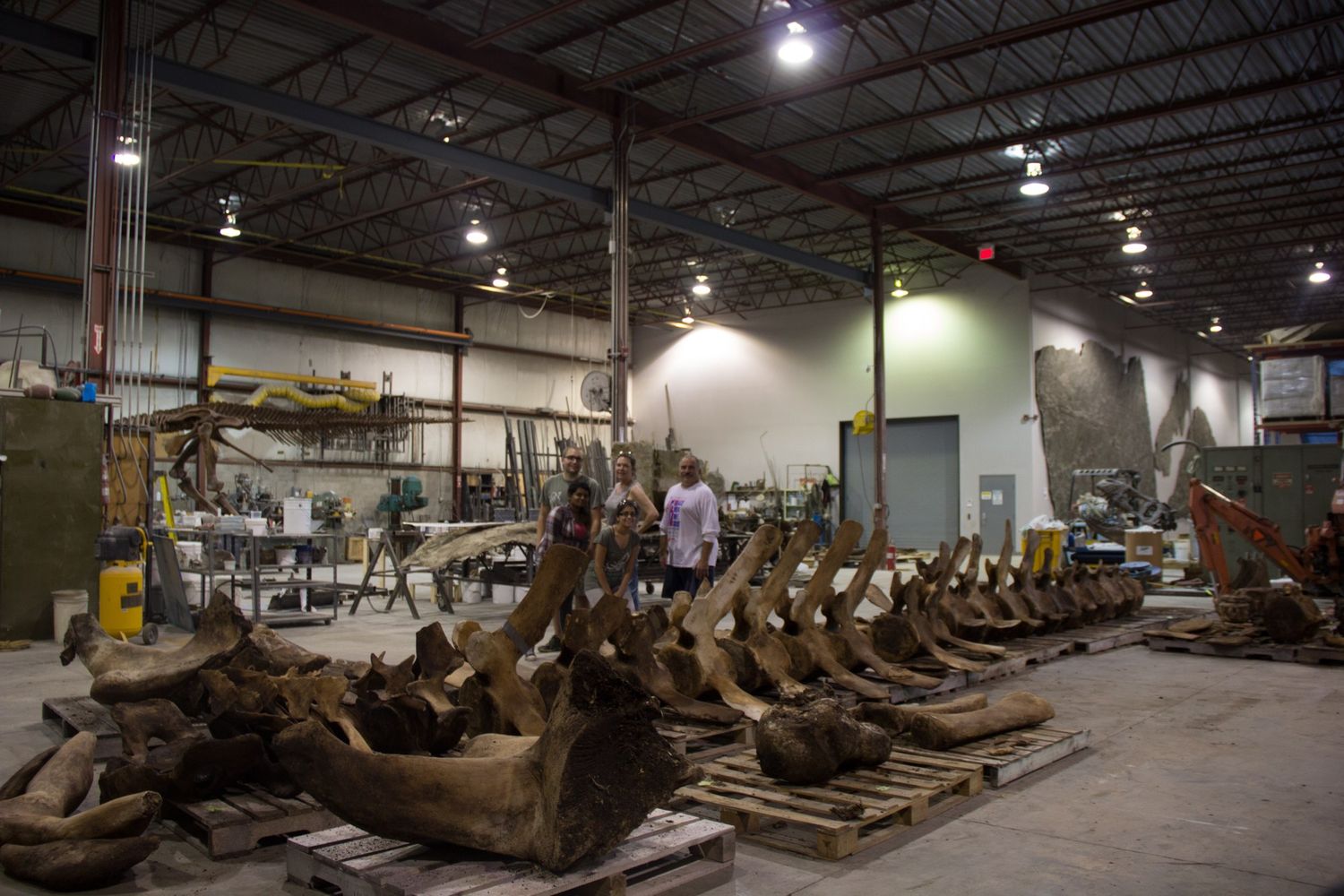
In June 2016, I travelled to RCI in Trenton, Ontario on assignment with the Royal Ontario Museum to document the next steps of the journey for these blue whales: cleaning, collecting data, ID-ing, and prepping the bones for display at the museum.
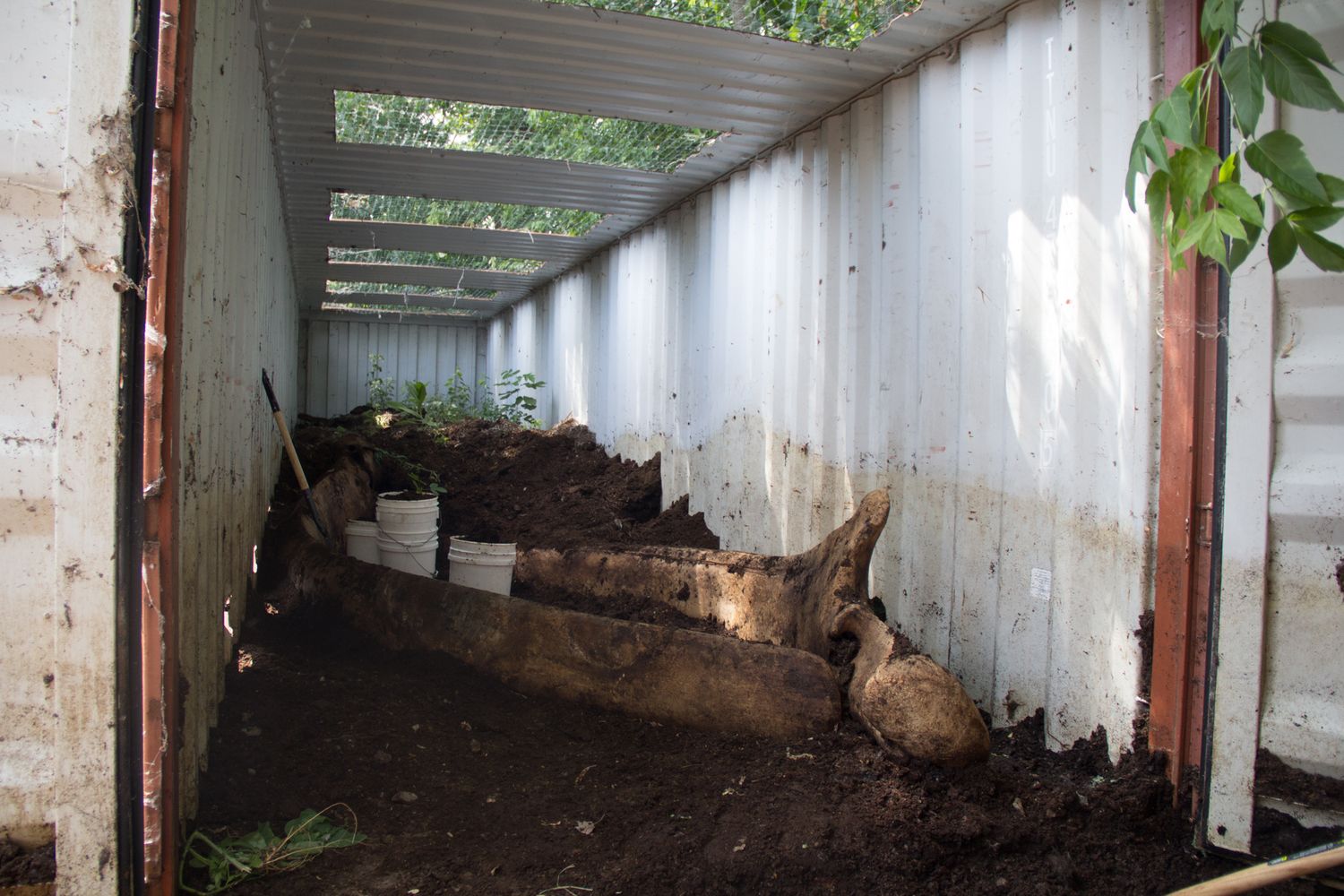
Blue whale bones inside a trailer of compost. This trailer was filled with additional bones and compost all the way to the top! The two large bones pictured are a pair of jaw bones.
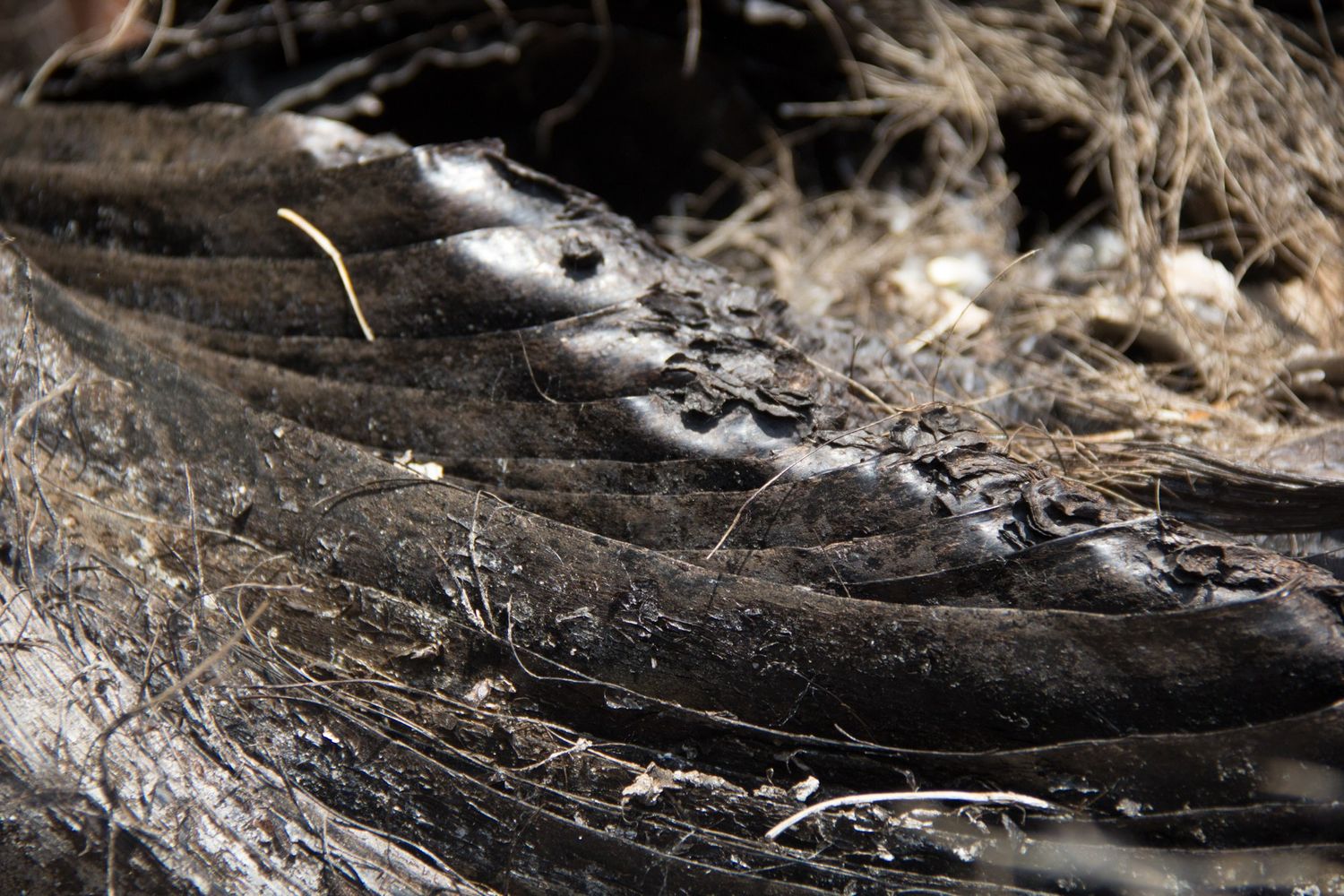
Close up of the baleen. The baleen is found inside the mouth of the whale and is used for filtering food from water during feeding.
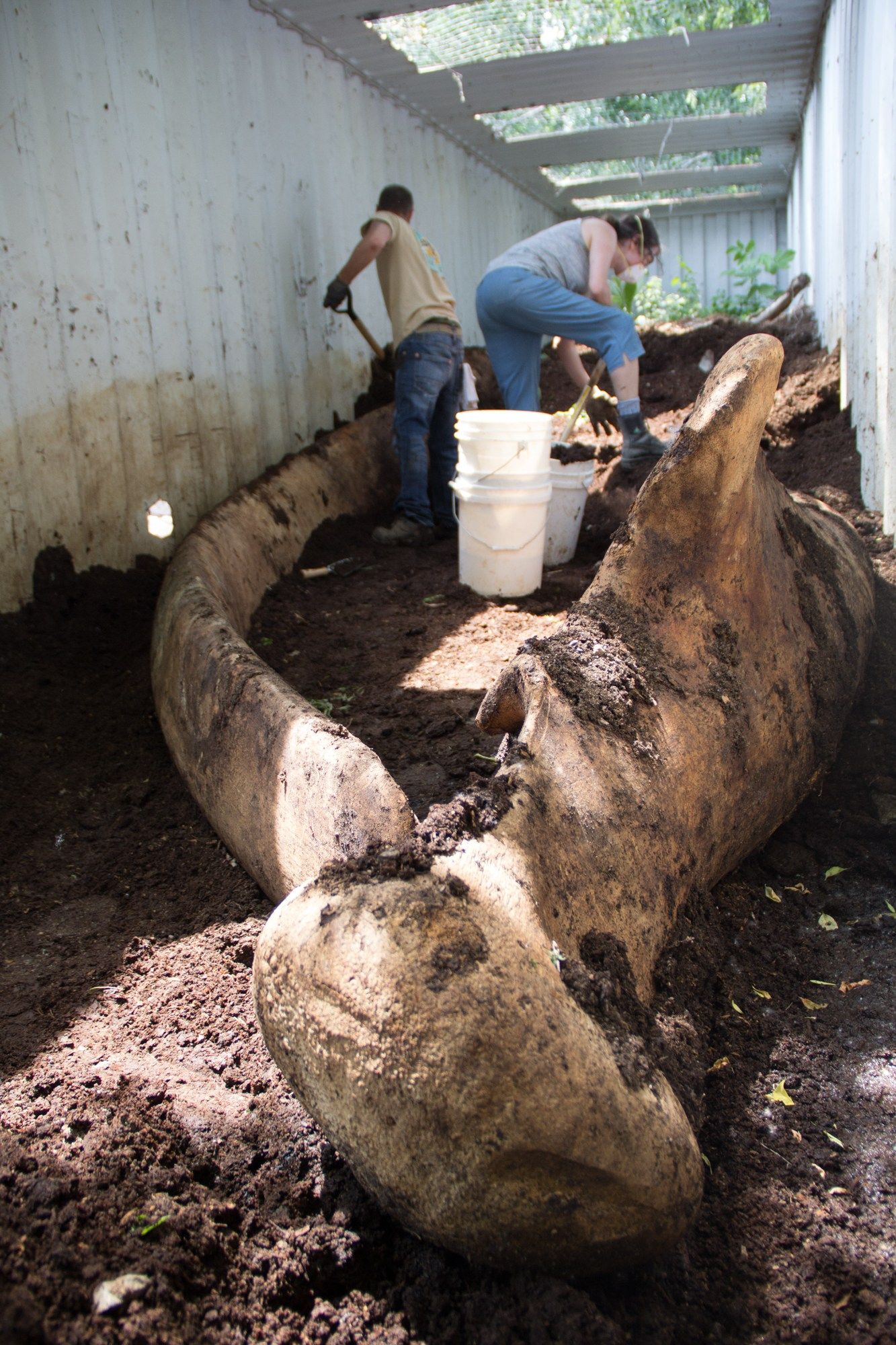
Compost and bones being removed from the trailer.
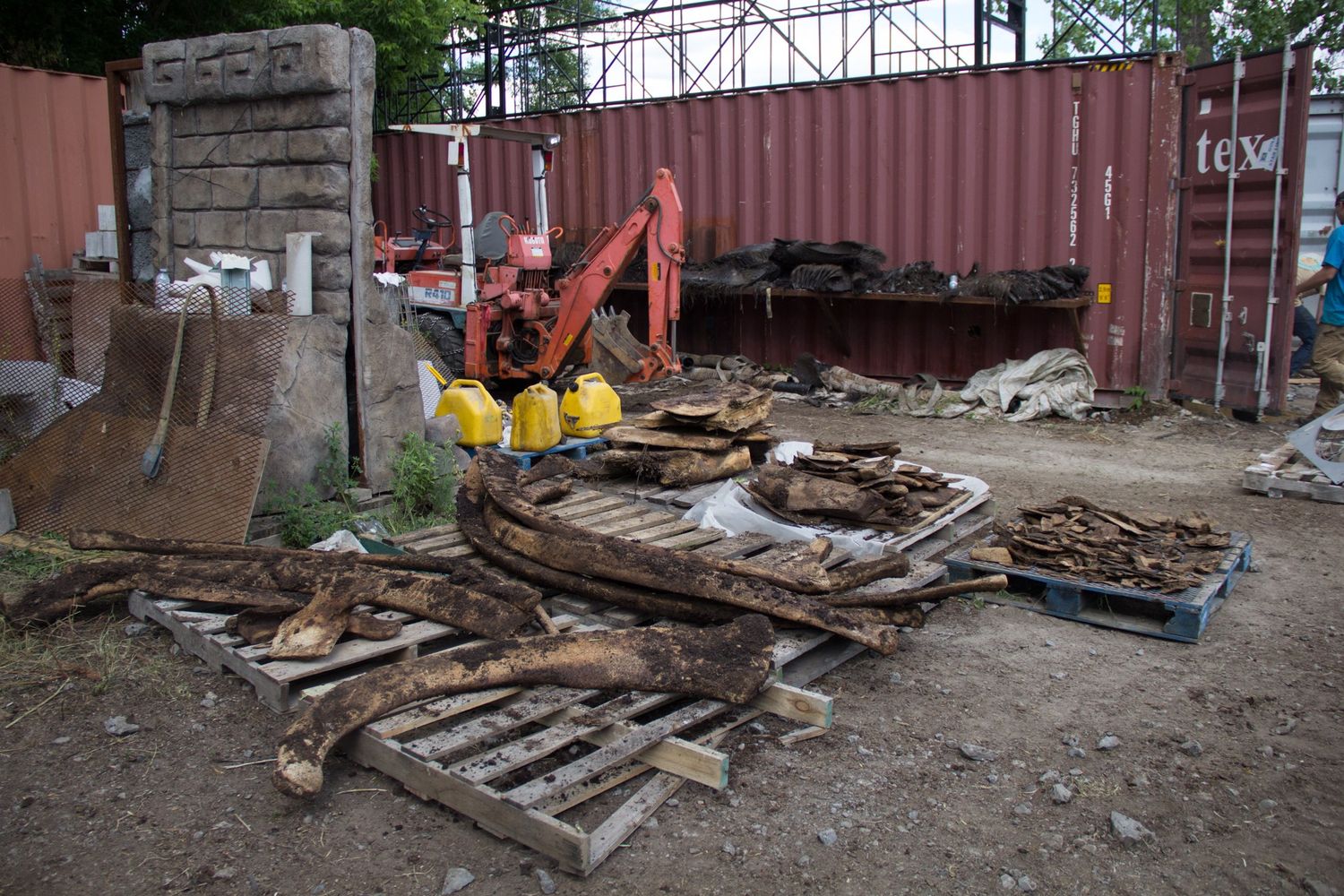
Freshly dug bones and baleen laid out by the trailers, waiting to be taken inside RCI.
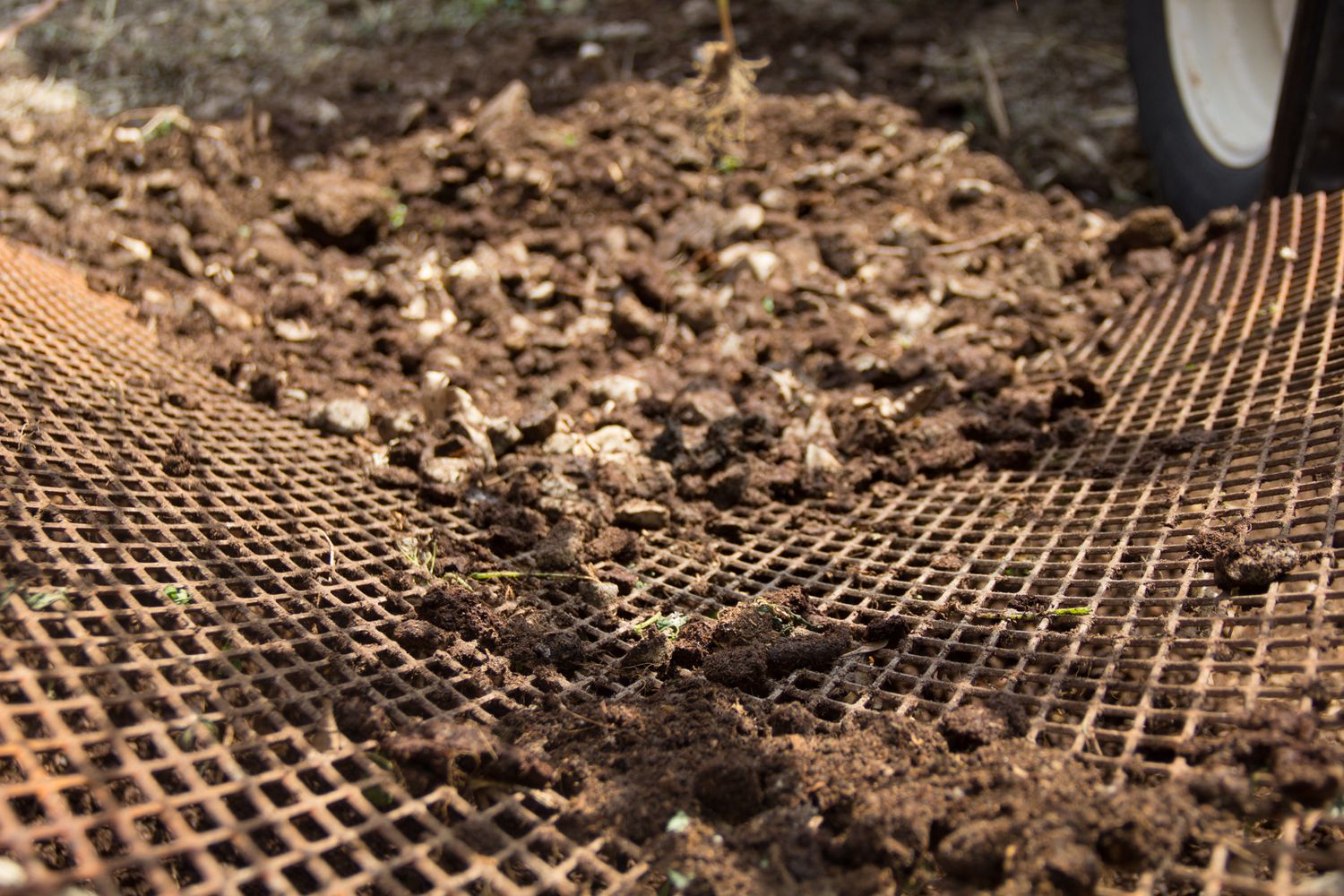
Buckets of compost are sifted before being discarded to ensure that no small bone fragments are missed.
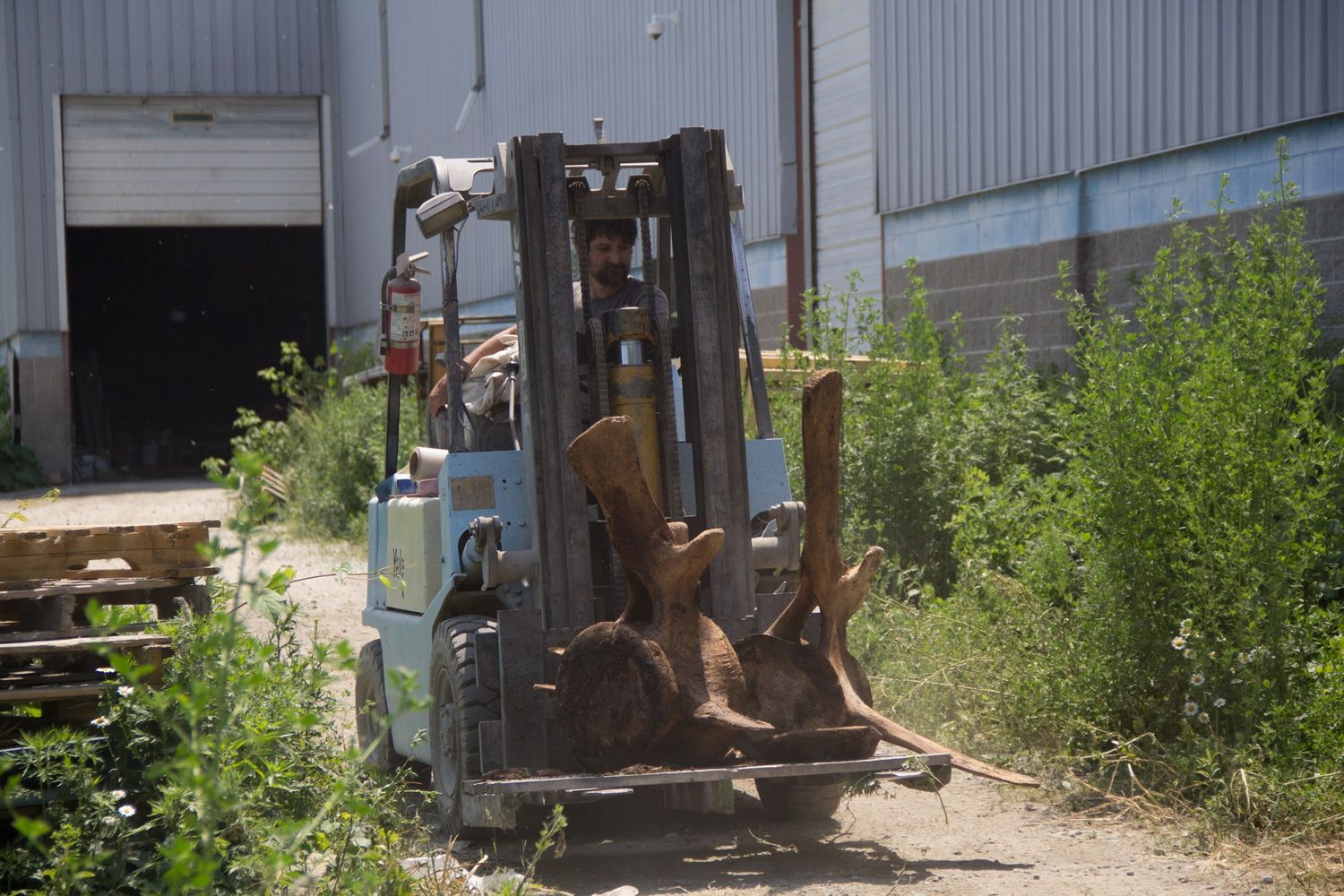
Two vertabrae being taken inside RCI.
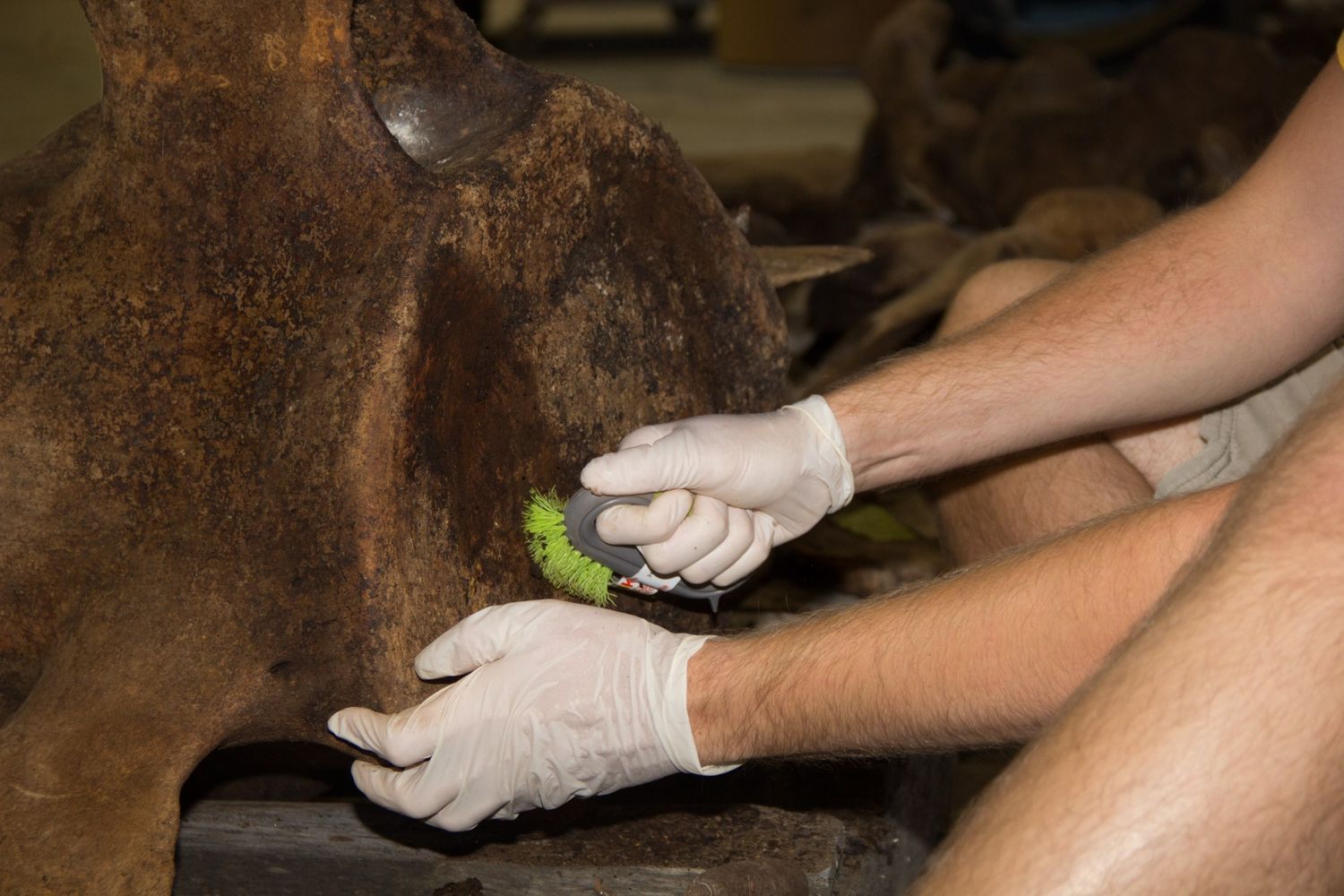
The bones were first cleaned by hand before power washing.
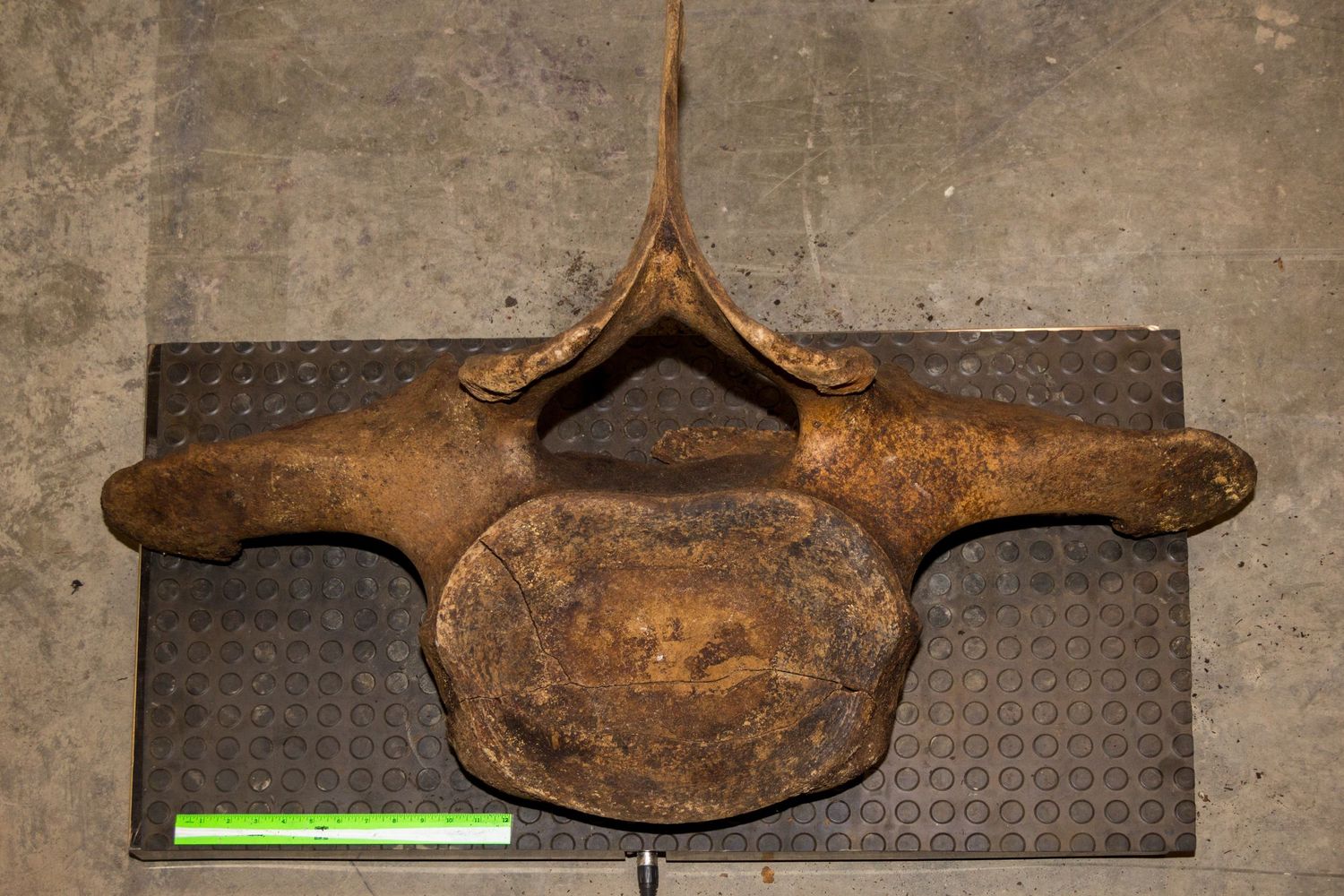
Vertebrae being weighed and measured. These photographs were used by the team at ROM for catalogue and identification purposes.
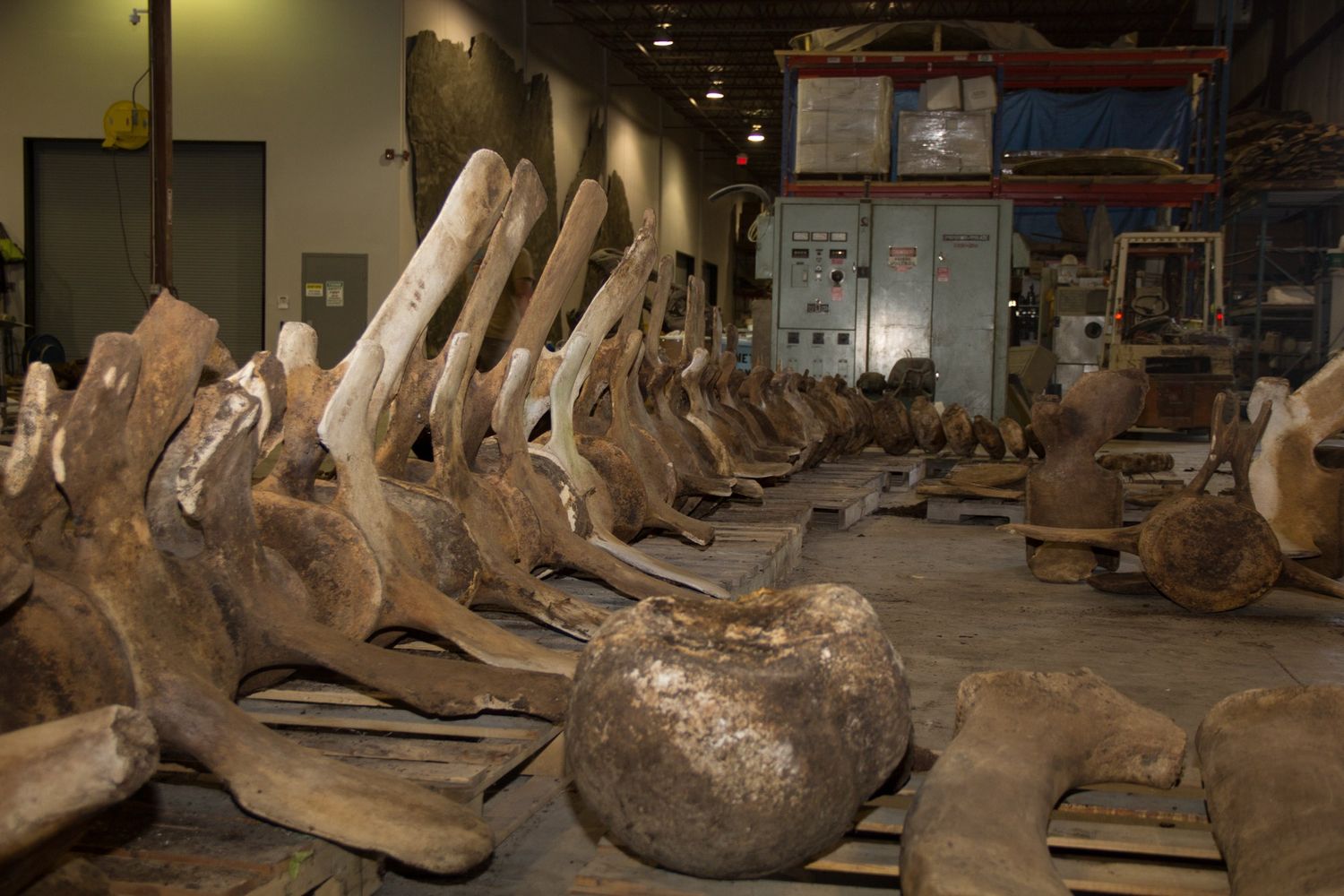
Bones being lined up and organized inside RCI.
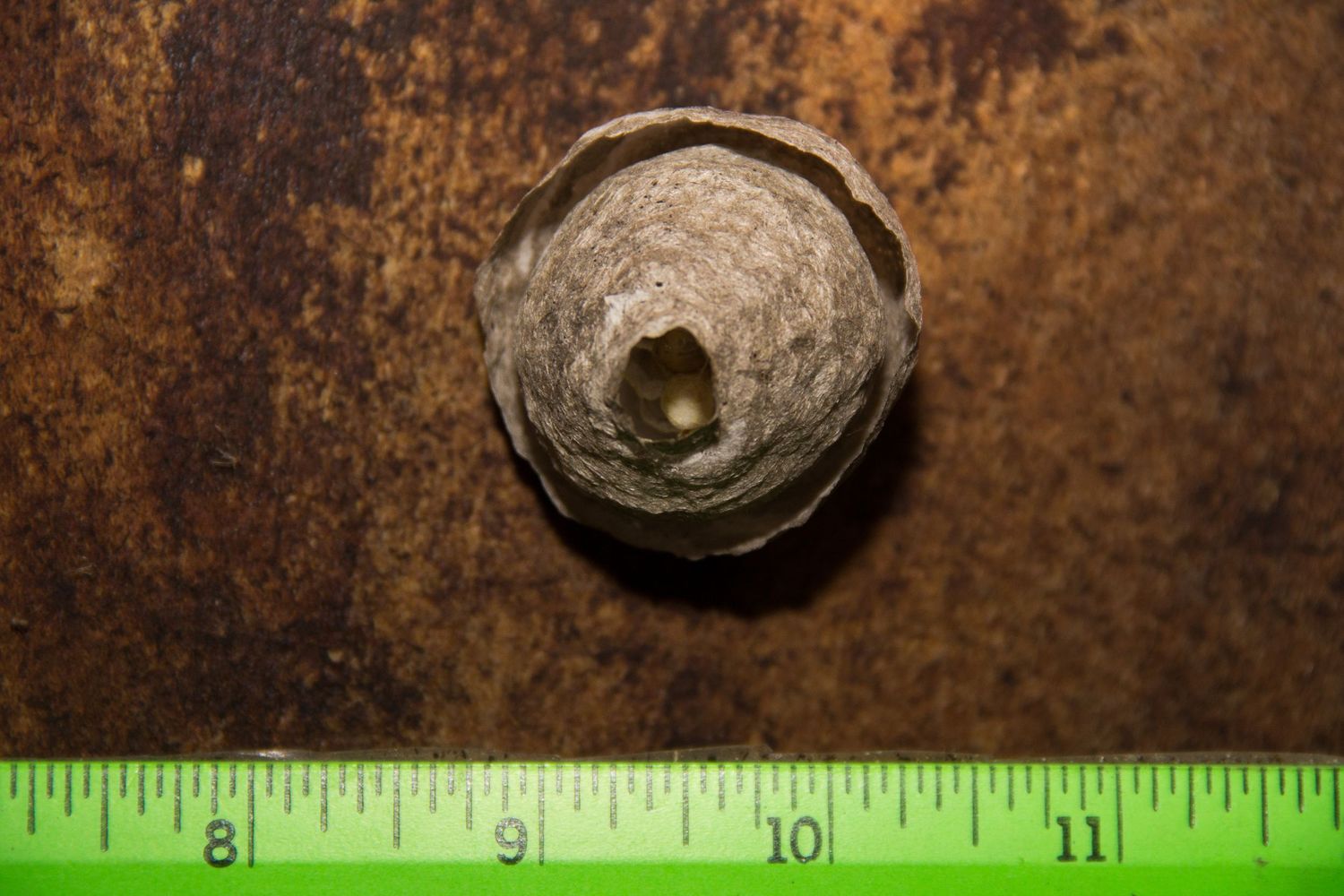
A wasp nest was found on one of the bones! If you look closely, you can still see the eggs inside.
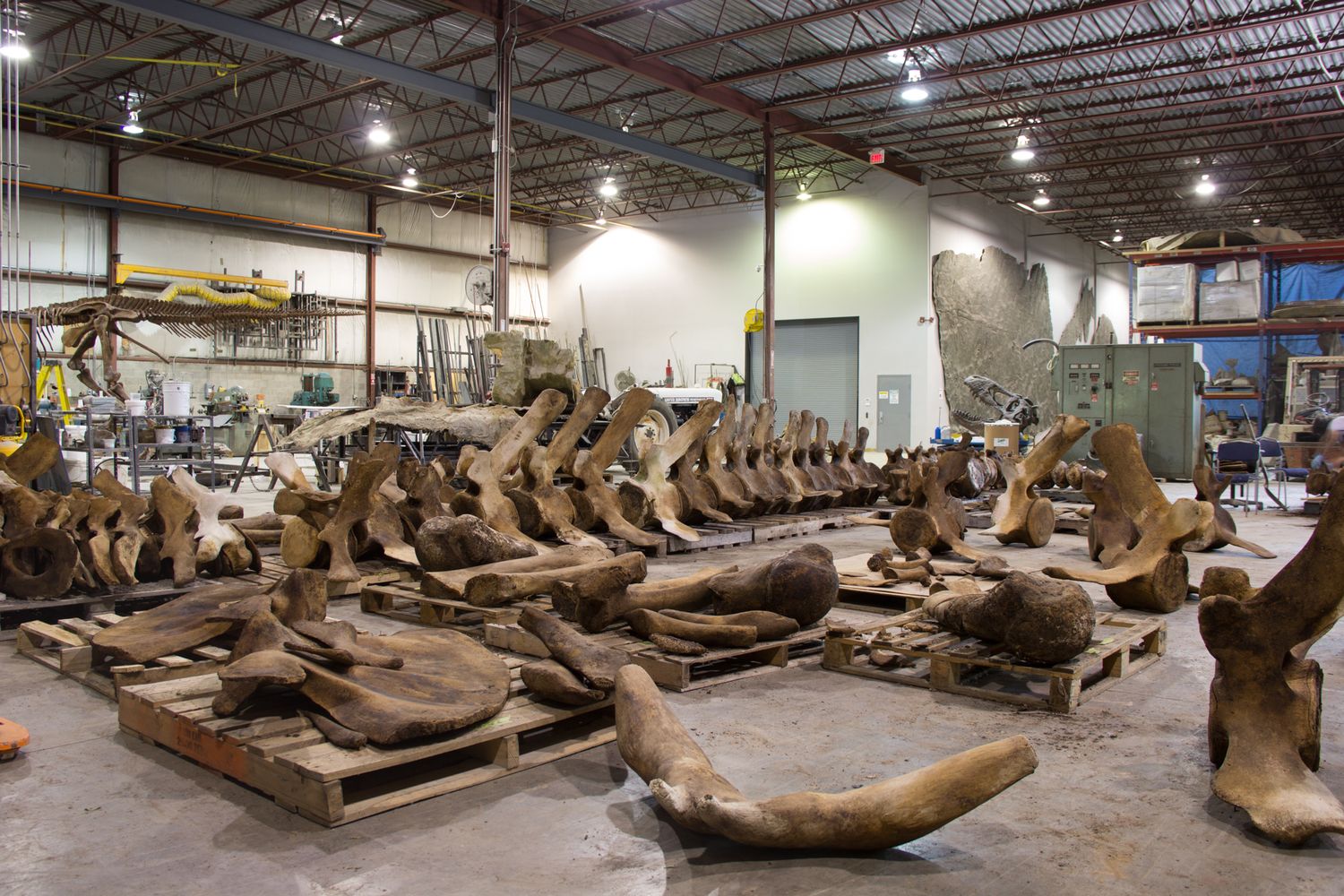
Blue whale bones being organized in order to help create the skeletal structure of the whale.
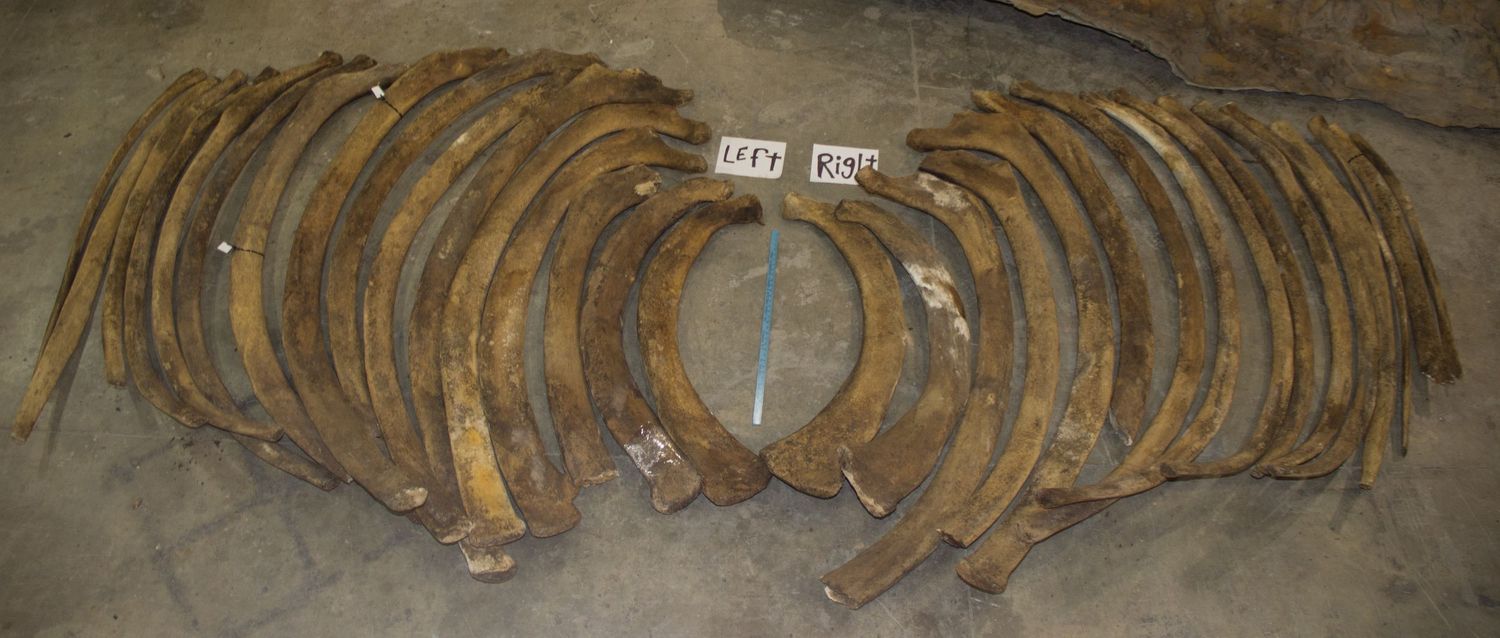
The ribs of the blue whale, with a meter stick in the center for size comparison.
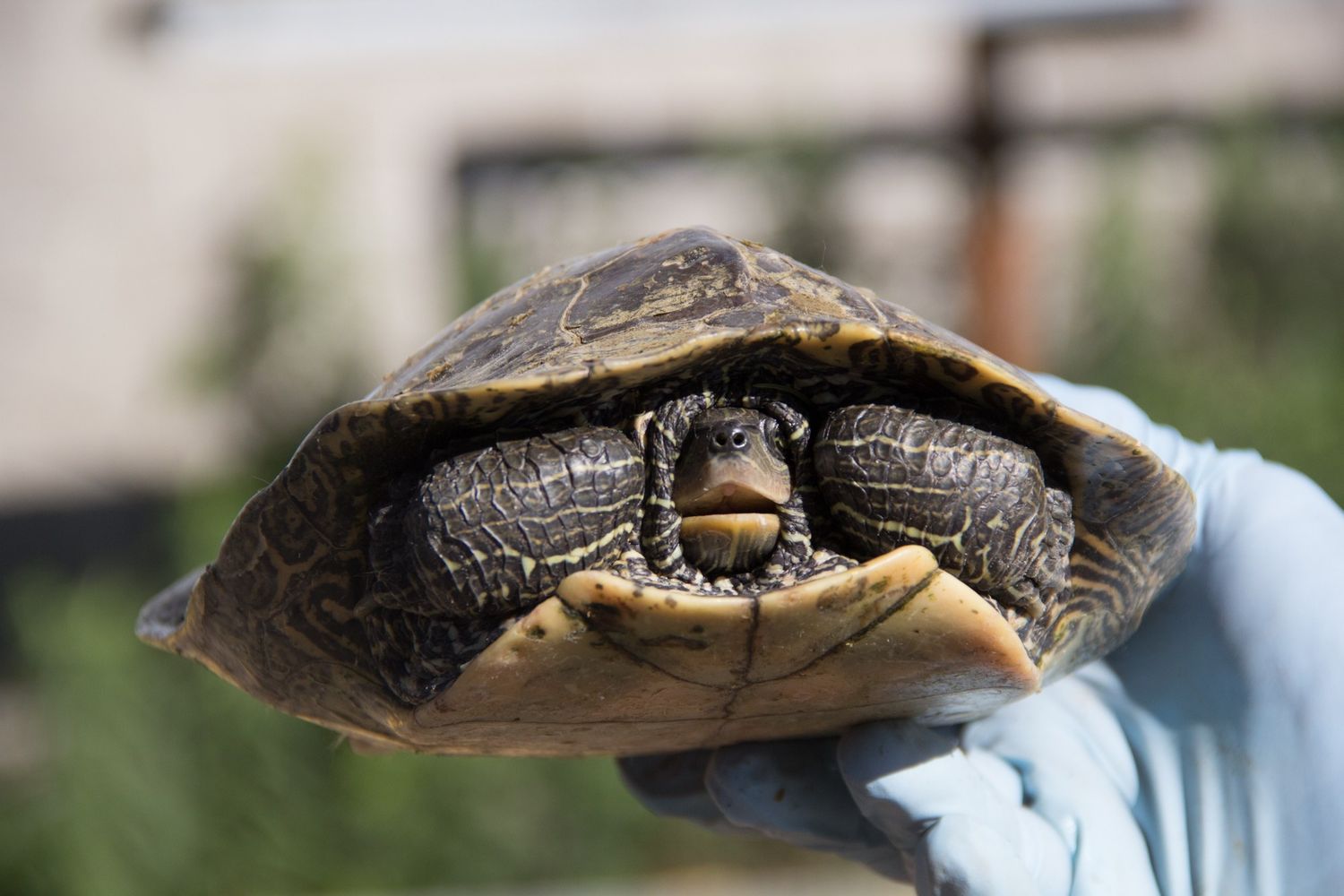
On our lunch break one day, we found a turtle crossing the path of the forklifts heading towards the lake. We moved the turtle to the other side, closer to the lake, to prevent it from being injured.
The blue whale was put on display at the Royal Ontario Museum in spring of 2017. The exhibit took visitors through the blue whale’s entire journey, from beginning to end.
In my opinion, the most important takeaway from this experience was the fact that we now, for the first time ever, have the complete genome of the blue whale and are able to start understanding its genetic makeup. This, with all of the other data that the scientists were able to obtain, will result in much needed scientific research allowing us to be more knowledgable on how to protect and conserve this magnificent species.
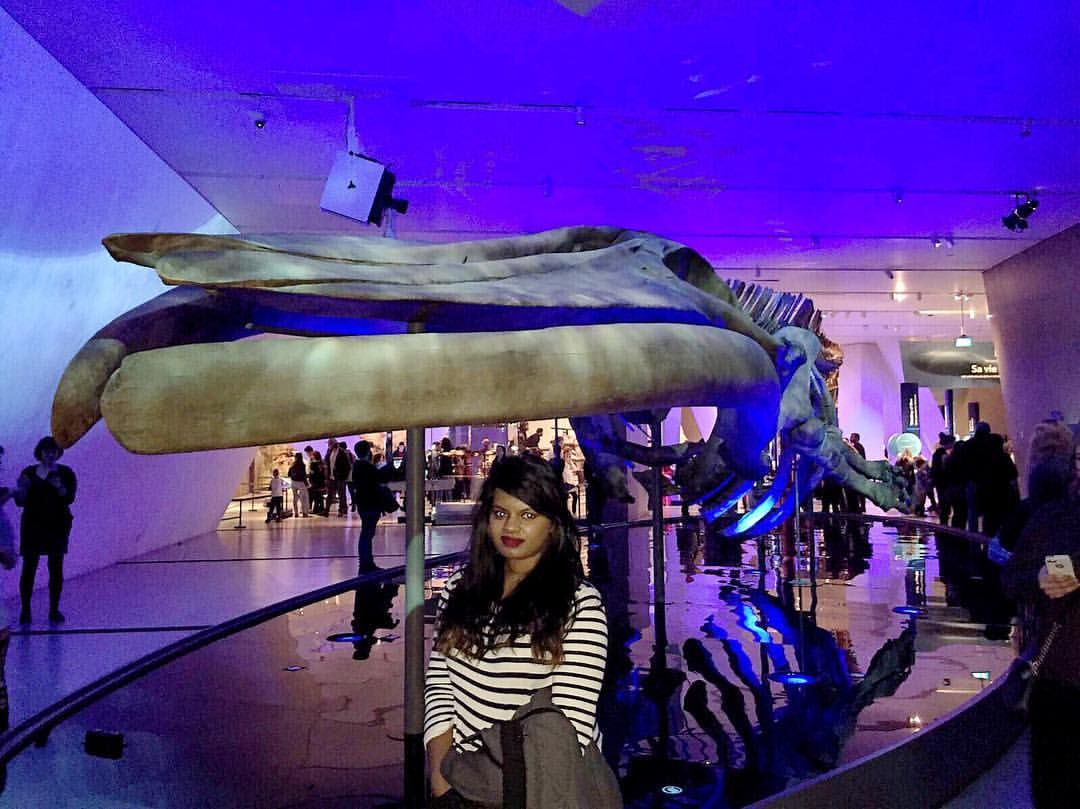
In spring of 2017, I had the opportunity to visit the ROM and check out the exhibit. I was taken back by how large the whale was! Even though I physically held these bones, photographed and cleaned them, and was able to see and experience the size of this gentle giant first hand, viewing the final display put together was still such an awe-inspiring moment. I am forever grateful to have been apart of such an amazing and important moment for not only the ROM and science, but also hopefully for the future of this species.